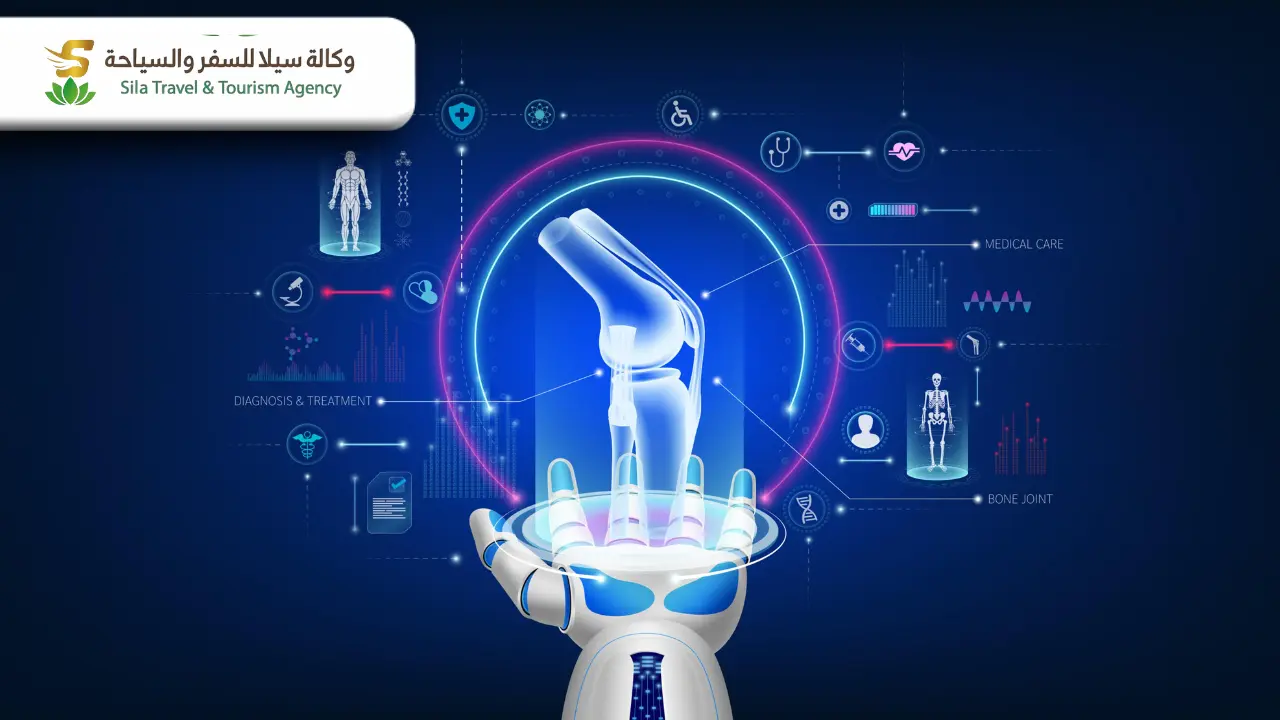
Robotic Joint Replacement in India: A New Era of Pain-Free Movement
Living with chronic knee or hip pain can quietly take over your life. Simple activities like walking, climbing stairs, or even standing for long periods become difficult. For many patients, especially those suffering from arthritis or joint degeneration, this pain gradually limits independence and quality of life. When medications and physiotherapy stop working, joint replacement becomes the most effective solution.
Today, a new advancement—robotic joint replacement surgery—is redefining how these procedures are performed, offering better accuracy, faster recovery, and long-term results. For international patients, India has become a preferred destination for this advanced treatment, combining expertise with affordability. Through Sila Med Tour, patients receive end-to-end support to access the best orthopedic care in India.
What is Robotic Joint Replacement?
Robotic joint replacement is an advanced surgical technique where a robotic system assists the surgeon in performing knee or hip replacement with exceptional precision. Unlike traditional surgery, where implant positioning relies heavily on manual judgment, robotic systems use 3D imaging and real-time data to guide every step.
It is important to understand that the robot does not perform the surgery independently. The surgeon remains in full control, using the technology to enhance accuracy and achieve optimal alignment of the joint implant. This precision plays a key role in improving the lifespan of the implant and the overall outcome of the surgery.
Who Needs Robotic Joint Replacement?
This procedure is typically recommended for patients experiencing:
- Severe knee or hip arthritis
- Chronic joint pain affecting mobility
- Joint stiffness or deformity
- Difficulty in walking or performing daily activities
- Failure of conservative treatments like medication or physiotherapy
For such patients, robotic joint replacement offers a reliable and long-term solution to restore mobility and reduce pain.
Key Benefits of Robotic Surgery
One of the biggest advantages of robotic-assisted surgery is its precision. Accurate implant placement ensures better joint function and reduces the chances of complications. This leads to improved patient satisfaction and long-lasting results.
Another important benefit is the minimally invasive approach. Smaller incisions result in less blood loss, reduced pain after surgery, and a lower risk of infection. Patients often experience faster recovery compared to traditional methods.
Most patients are able to stand or walk within 24 to 48 hours after surgery, and many return to their normal routines much sooner than expected. The improved alignment also contributes to a more natural movement of the joint, enhancing comfort in everyday activities.
Why Choose India for Robotic Joint Replacement?
India has emerged as a global leader in orthopedic care, especially in robotic joint replacement. The country offers access to highly experienced surgeons who are trained in advanced techniques and have performed thousands of successful procedures.
Hospitals in India are equipped with state-of-the-art robotic systems and follow international safety standards. Another major advantage is the affordability. Patients can save up to 60–70% compared to treatment costs in countries like the USA, UK, or Gulf nations, without compromising on quality.
Additionally, there is minimal waiting time, allowing patients to receive timely treatment without long delays.
How Sila Med Tour Supports You
For international patients, traveling for surgery can feel overwhelming. This is where Sila Med Tour plays a crucial role. The focus is not just on treatment but on the entire patient journey.
From the initial consultation, patients receive a detailed medical opinion and cost estimate. The team assists with visa processing, travel arrangements, and accommodation close to the hospital. Upon arrival in India, patients are supported with airport pickup and guided through every hospital visit.
During treatment, a dedicated coordinator ensures smooth communication between the patient and the medical team. Even after the surgery, follow-up support continues to ensure a safe recovery.
Recovery and Life After Surgery
Recovery after robotic joint replacement is generally faster and smoother. Patients typically stay in the hospital for a few days and begin physiotherapy almost immediately. With proper rehabilitation, most individuals regain mobility within weeks and can return to a more active lifestyle.
The goal of the surgery is not just pain relief, but restoring confidence and independence. Patients often report a significant improvement in their quality of life, being able to move freely without constant discomfort.
Conclusion
Robotic joint replacement represents a major advancement in orthopedic care, offering precision, safety, and faster recovery. For patients struggling with chronic joint pain, it provides a dependable path toward a pain-free and active life.
With India’s world-class medical expertise and the personalized support of Sila Med Tour, accessing this treatment has never been easier. Taking the first step toward consultation could be the beginning of a new, pain-free chapter in life.
Frequently Asked Questions (FAQs)
1. Is robotic joint replacement surgery safe?
Yes, robotic joint replacement is considered very safe. It enhances the surgeon’s precision, reduces human error, and lowers the risk of complications compared to traditional surgery.
2. How long does recovery take after robotic knee or hip replacement?
Most patients start walking within 24–48 hours. Basic recovery takes around 2–3 weeks, while full recovery and strength improvement may take 4–6 weeks with proper physiotherapy.
3. How long do robotic joint implants last?
With accurate placement and modern materials like titanium and ceramic, implants can last 15–25 years or more, depending on lifestyle and overall health.
4. Is robotic surgery better than traditional joint replacement?
Robotic surgery offers higher precision, better alignment, less pain, and faster recovery. This often leads to improved long-term results and higher patient satisfaction.
5. How much does robotic joint replacement cost in India?
The cost typically ranges from USD 4,500 to 8,000, depending on the hospital and case complexity—significantly lower than in many other countries.
Get Free Medical Consultation
Fill the form and our team will connect with you instantly.